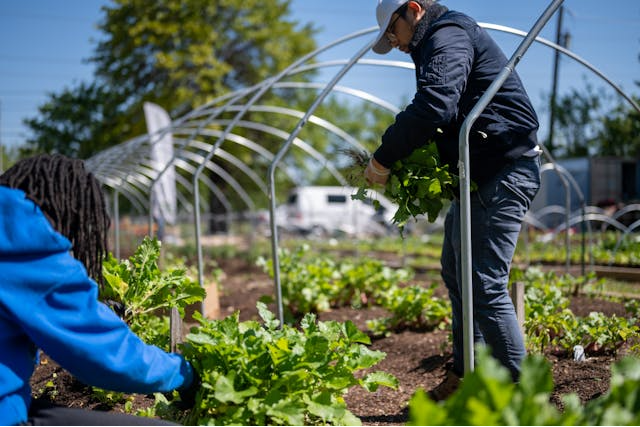
The dominant agricultural model has treated the farm like a factory: maximize yield at all costs, extract value, and externalize environmental damage. But a different approach is emerging—one rooted in community-led farming, where local stakeholders make decisions collectively and sustainability is not an afterthought but the organizing principle.
Decentralized autonomous organizations (DAOs) are providing the governance infrastructure for this shift, creating systems where every voice is heard, decisions are made transparently, and environmental stewardship is incentivized rather than ignored.
Why DAOs and Regenerative Agriculture Belong Together
Sustainable agriculture requires coordination. Cover cropping, rotational grazing, agroforestry—these practices work best when entire landscapes are managed collaboratively, not farm by farm in isolation. But traditional cooperative models struggle with trust, transparency, and the complexity of distributing value across many participants.
DAOs solve these problems. By encoding rules into smart contracts, they ensure that agreements are honored transparently without the need for intermediaries. Blockchain provides an immutable record of every transaction, from input purchases to carbon credit sales, making fraud nearly impossible and trust a technical feature rather than a leap of faith.
From Carbon Markets to Regenerative Finance
One of the most promising applications is farmer-led carbon markets. Traditional carbon credit systems are notoriously opaque, with smallholders seeing little of the revenue. A DAO-based model changes that. Farmers gain a direct voice in market rules and protocols, leading to a more equitable distribution of the value generated.
In Japan, a pioneering ReFi (regenerative finance) model launched in 2026 connects biochar-based carbon sequestration to the J-Credit system, integrating high-value agricultural sales with DAO governance. This creates a sustainable funding source for regenerative practices—what some call “crypto-regenerative agriculture”.
Meanwhile, AgriFi is bringing agricultural real-world assets on-chain, enabling structured participation in farming through tokenized farmland and performance-linked staking mechanisms. By anchoring digital finance to productive land and verified farm data, these platforms align blockchain rewards with measurable agricultural productivity.
Empowerment Beyond Economics
Community-led farming through DAOs delivers benefits that go beyond financial returns.
Economic empowerment is the most visible. Farmers receive a fair share of profits, enhancing their financial stability and contributing to the overall economic well-being of their communities. DAOs create fair and decentralized systems where value flows to those who produce it, not to those who intermediate it.
But there’s also a social dimension. Community-led initiatives foster a sense of belonging and shared responsibility. DAOs strengthen social bonds, creating supportive networks that extend beyond traditional farming relationships. When farmers, processors, and buyers share governance, they also share risk, knowledge, and resilience.
And then there‘s the environmental dimension. DAOs encourage and incentivize the adoption of organic farming practices, reducing reliance on harmful chemicals and promoting soil health and biodiversity. By making sustainability economically rewarding, they align financial incentives with ecological outcomes.
Making It Work in Practice
If you’re part of a farming community considering a DAO, start with these steps:
- Establish a governance structure. Define roles, responsibilities, and decision-making processes clearly.
- Involve local stakeholders early. Active participation ensures the DAO reflects the needs and aspirations of the community. Inclusivity is critical.
- Choose the right technology. User-friendly decentralized applications (DApps) enable easy participation in decision-making, empowering farmers and community members to contribute actively.
- Start small, then scale. Pilot with a single crop, a single cooperative, or a single value chain. Prove the model before expanding.
The Road Ahead
The marriage of DAOs and regenerative agriculture is still young, but the trajectory is clear. As climate volatility intensifies and consumers demand greater transparency, community-led, DAO-governed farming initiatives will become not just competitive but essential.
At AgriGuildDAO, we’re building the coordination layer for this new food economy—supporting cooperatives, brokers, and exporters as they transition from extractive models to regenerative ones. The farms of the future will be governed by communities, coordinated by code, and sustained by shared incentives.