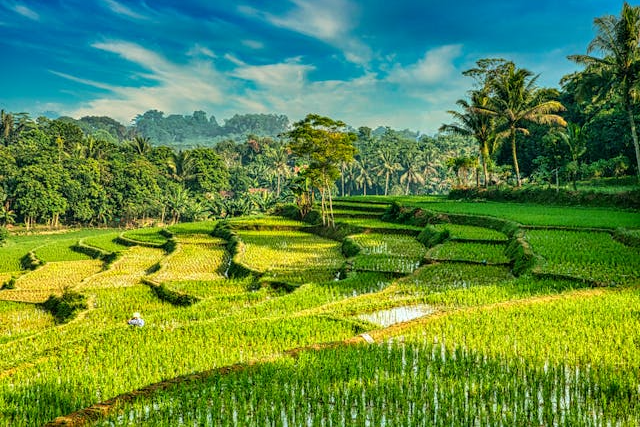
For generations, farmers have faced the same structural problems: limited market access, unfair pricing, and a near-total lack of decision-making power. Intermediaries capture the lion‘s share of value, leaving those who actually grow the food with shrinking margins.
Agri-DAO ecosystems offer a fundamentally different approach. By combining decentralized autonomous organization (DAO) governance with blockchain infrastructure, these systems create a direct, transparent link between producers, buyers, and other stakeholders.
What Is an Agri-DAO Ecosystem?
At its simplest, an Agri-DAO is an internet-native organization whose rules are encoded on a blockchain. These rules determine how the organization operates, how decisions are made, and how resources are distributed. When applied to agriculture, this model aims to improve efficiency, transparency, and equity across the entire food production and distribution chain.
Four components make an Agri-DAO ecosystem functional:
- DAO Governance. Token holders vote on proposals—crop selection, resource allocation, marketing strategies, profit distribution. Every voice counts.
- Smart Contracts. Self-executing contracts automate payments, supply chain tracking, and quality assurance. No intermediaries, no delays.
- Tokenization. Tokens represent ownership, membership, or access to specific resources. They power voting, staking, and value exchange within the network.
- Data Management. Blockchain provides a secure, immutable ledger for recording everything from farming practices to environmental impact.
From Extraction to Empowerment
Traditional agricultural systems leave farmers with little bargaining power. A 2025 initiative in Rwanda, Afrikabal, is redefining agricultural trade by building blockchain-based infrastructure that institutions, governments, and farmers can all trust. In Zimbabwe, startup Wazisana uses blockchain to connect farmers directly with global buyers, recording every step from harvest to distribution. These are early signals of a broader shift.
For cooperatives and brokers, the implications are significant. Agri-DAOs enable direct-to-consumer connections, cutting out rent-seeking middlemen and allowing producers to capture a larger share of the value they generate. Transparent pricing mechanisms ensure fair compensation for farmers while keeping prices competitive for buyers.
And because blockchain records are immutable, consumers can verify the origin, quality, and sustainability of their food from field to fork.
Real-World Momentum
The model is moving from theory to practice. In Japan’s Tottori Prefecture, the “Planetary Health Rice Paddy DAO” launched in 2025 to revitalize local agriculture, increase farmer incomes, and regenerate the environment through community participation. The project integrates blockchain, smart contracts, and DAO governance to bring transparency from production through distribution.
In Africa, a major agreement between AFAN and African Holdings Corporation is pioneering blockchain integration and asset tokenization, creating farmer-centered community tokens that empower cooperative engagement and localized transactions.
These aren‘t isolated experiments. They’re proving that decentralized governance can work in the real world—on real farms, with real farmers.
What This Means for You
If you‘re part of a farmer cooperative, an Agri-DAO gives you a governance seat at the table. Your cooperative can pool resources, vote on shared strategies, and distribute profits transparently. If you’re a broker or exporter, Agri-DAOs offer direct access to verified producer networks, immutable quality records, and automated settlement—reducing counterparty risk and administrative overhead.
The path forward requires digital literacy, reliable connectivity, and regulatory clarity. But the direction is unmistakable. Agriculture is moving from extraction to empowerment, and Agri-DAO ecosystems are the blueprint.
AgriGuildDAO is building the infrastructure to make this vision accessible to every cooperative, broker, and exporter ready to leave the old model behind.