Export Compliance with QR Codes: A Practical Guide for Agricultural Producers
Global agricultural trade is becoming increasingly regulated. Governments, import agencies, and buyers now require detailed documentation proving where food products originate and how they move through the supply chain.
For farmers and exporters, this means export compliance is no longer just paperwork. It requires reliable systems that track products from the farm all the way to the final buyer.
One of the most effective tools enabling this transformation is QR code traceability. By linking physical shipments to digital records, QR codes help create the supply chain transparency that modern food markets demand.
Why Export Compliance Is Becoming More Strict
Many countries have strengthened food safety and traceability rules in recent years.
Two major examples include:
United States FDA Traceability Rules
The Food Safety Modernization Act (FSMA) introduced requirements for improved tracking of certain food products. Companies must now maintain digital records showing key supply chain events.
This allows regulators to trace products quickly during food safety investigations.
European Union Import Requirements
The European Union requires strict documentation for many agricultural imports, including:
- phytosanitary certificates
- origin verification
- batch traceability
- processing documentation
Exporters that cannot demonstrate clear product traceability may face delays, inspections, or rejected shipments.
This is why many agricultural supply chains are adopting digital traceability systems.
What Is QR Code Traceability?
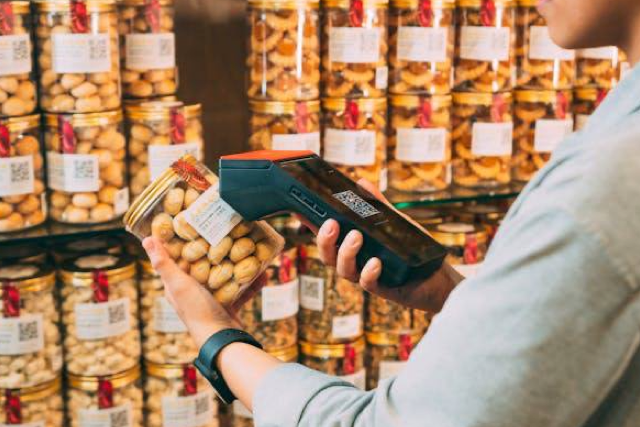
A QR code traceability system connects a physical product to a digital record containing supply chain information.
A QR code printed on a package, crate, or pallet can link to data such as:
- farm location
- crop type
- harvest date
- inspection certificates
- export documentation
- shipping information
When scanned, the QR code retrieves the traceability record instantly.
This makes it easier for customs officials, buyers, and distributors to verify compliance information.
How QR Codes Improve Agricultural Export Compliance
QR codes provide a simple but powerful bridge between physical goods and digital documentation.
Instant documentation access
Instead of searching through paperwork, inspectors can scan a QR code and immediately access shipment data.
This speeds up verification processes at ports and customs checkpoints.
Reduced paperwork errors
Manual documentation often introduces mistakes. Digital traceability records reduce these risks by storing structured information linked directly to each shipment.
Faster buyer verification
Buyers increasingly request transparency about product origin and certifications. QR codes allow importers to confirm this information in seconds.
Example Traceability Workflow for an Export Shipment
Below is a simplified example of how QR code traceability works in agricultural exports.
Farm Harvest --> Batch Number Assigned --> QR Code Generated --> Harvest Data Recorded

--> Inspection & Certification Uploaded --> Export Shipment Created --> Importer Scans QR Code to Verify Records
This process connects farm production data with export compliance documentation.
Combining QR Codes with Blockchain Traceability
QR codes identify the product, but the data behind them must be secure.
This is where blockchain-based agricultural traceability systems can provide additional trust.
Blockchain technology allows supply chain records to be stored in a distributed ledger that cannot easily be altered. Each event in the supply chain can generate a new record.
For example:
- harvest recorded
- quality inspection verified
- shipment registered
- warehouse delivery confirmed
When QR codes link to blockchain-backed records, buyers gain confidence that the data has not been manipulated.
Why Fast Blockchain Networks Matter for Traceability
Traceability systems often need to record events quickly as products move through logistics networks.
Some blockchain platforms are particularly suited for this because they offer:
- fast transaction confirmation
- very low transaction fees
- high capacity for large datasets
These characteristics allow traceability platforms to record supply chain events in near real-time.
For agriculture, this means shipments can maintain a continuously updated digital history from farm to buyer.
Benefits of QR Code Compliance Systems
Implementing QR code traceability offers advantages across the agricultural supply chain.
For farmers
- easier access to export markets
- stronger buyer trust
- simplified certification verification
For exporters
- faster customs clearance
- improved documentation management
- reduced compliance risk
For buyers
- reliable origin verification
- improved supply chain transparency
- better quality control tracking
These advantages are why traceability systems are becoming standard infrastructure for modern agricultural trade.
The Future of Agricultural Export Compliance
As global food systems grow more complex, traceability will likely become a universal requirement for agricultural products.
Future systems may combine:
- QR code product labeling
- blockchain traceability records
- AI-driven compliance monitoring
- digital export documentation platforms
Together, these technologies will help create a more transparent and trustworthy agricultural trade system.
Farmers and exporters who adopt digital traceability early will be better positioned to access international markets and meet evolving regulatory standards.
Building Transparent Agricultural Trade
Digital traceability is becoming a foundation of modern agriculture supply chains. By connecting QR code labeling with secure digital records, producers can improve export compliance while giving buyers confidence in product origins.
As agriculture platforms continue to integrate traceability, logistics, and digital payments, global farm trade will become faster, safer, and more transparent.